Natural beeswax candles have become a favourite among those seeking a cleaner, more mindful way to light their homes. Whether you’re drawn to their gentle honey scent, their eco-friendly credentials, or their calming glow, beeswax candles offer something special for every wellness enthusiast. In this guide, we’ll explore what makes these candles unique, why they matter, and how you can confidently bring them into your daily rituals.
What beeswax candles are made from
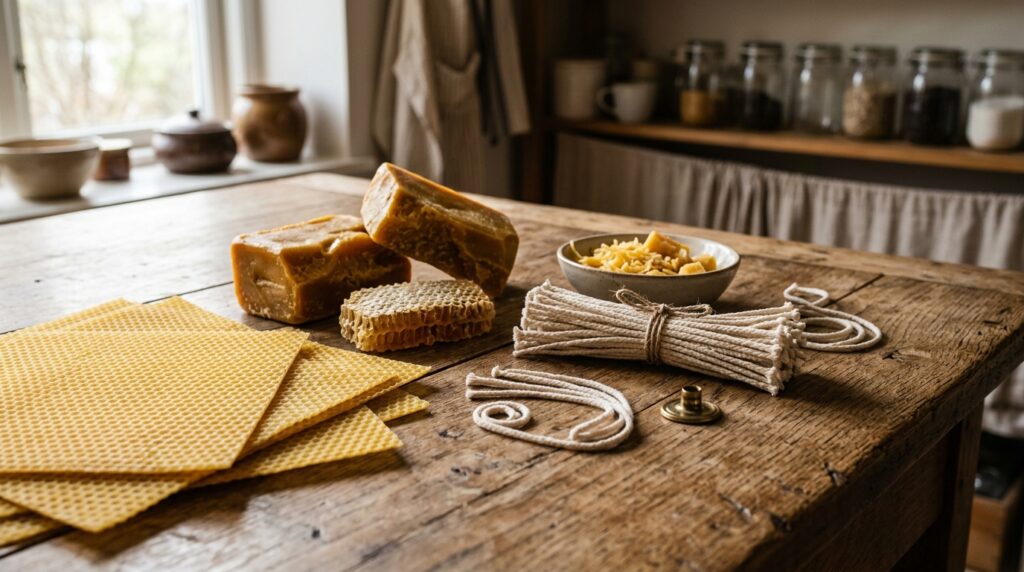
Natural beeswax candles are crafted from the wax produced by honey bees in their hives. Unlike paraffin candles, which are derived from petroleum, beeswax is a completely renewable and biodegradable resource. Worker bees secrete this precious wax from special glands in their abdomens, using it to construct the hexagonal cells of their honeycomb. After honey extraction, beekeepers carefully harvest this wax, which is then filtered to remove impurities and poured into moulds or rolled into sheets to create candles. The result is a candle that burns cleanly, emits a subtle honeyed aroma, and radiates a warm, golden glow that’s impossible to replicate with synthetic alternatives.
The composition of beeswax makes it truly exceptional as a candle material. Pure beeswax contains over 300 naturally occurring compounds, including esters, fatty acids, and hydrocarbons that contribute to its unique burning properties. This natural complexity means beeswax candles burn significantly longer than their paraffin counterparts – often 2-3 times longer – making them more economical despite their higher initial cost. The wax also has a higher melting point (around 62-64°C) compared to other waxes, which contributes to its slower, more even burn and helps prevent dripping when the candle is properly made.
For eco-conscious consumers in the UK and beyond, beeswax candles represent a mindful choice that supports both environmental health and local economies. They’re completely free from synthetic additives, artificial fragrances, and toxic chemicals commonly found in mass-produced candles. Many beeswax candles are produced by local beekeepers and artisan candlemakers who prioritise sustainable practices, supporting both pollinator health and traditional craftsmanship. Some producers even offer candles made from specific floral sources – such as wildflower, heather, or clover beeswax – each imparting subtle variations in colour and scent that reflect the local landscape.
The harvesting process itself aligns with sustainable beekeeping practices, as it utilises what would otherwise be a byproduct of honey production. Responsible beekeepers only harvest excess wax, ensuring their colonies retain sufficient resources for healthy hive maintenance. This symbiotic relationship means that choosing beeswax candles directly supports bee populations at a time when pollinators face numerous environmental challenges. In a world increasingly aware of environmental impact, selecting natural beeswax candles is a small but meaningful way to reduce your carbon footprint while enhancing your home’s ambience with a product that’s been cherished for thousands of years.
How beeswax differs from paraffin candles
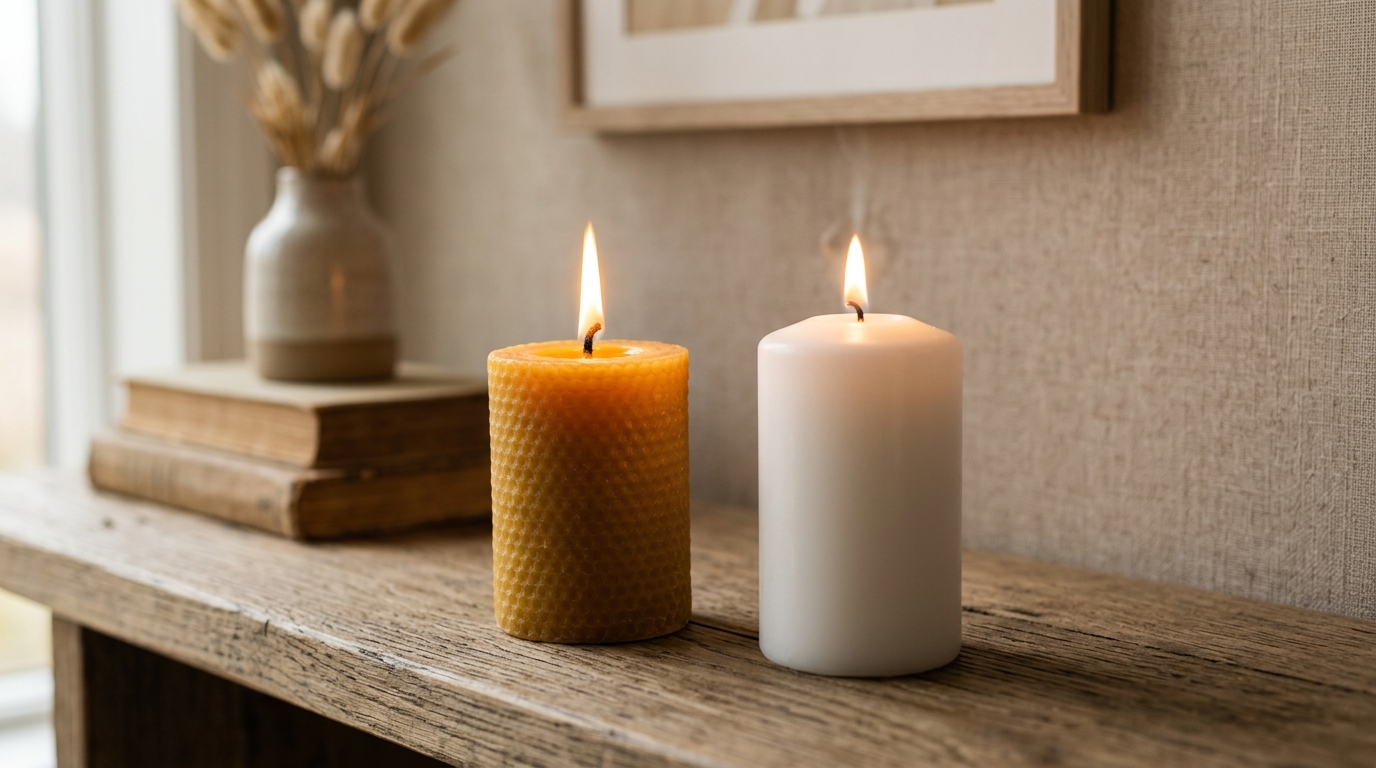
One of the standout benefits of beeswax for wellness of natural beeswax candles is their exceptionally clean burn. Unlike paraffin candles, which are petroleum-based and can release harmful compounds like benzene and toluene into the air, beeswax candles emit minimal smoke and produce no toxic fumes. This stark difference occurs because beeswax is a completely natural substance that burns cleanly without chemical additives. The result is a naturally hypoallergenic candle that’s ideal for those with asthma, allergies, or chemical sensitivities, as well as anyone seeking a purer indoor environment. Many yoga and meditation practitioners specifically choose beeswax for its gentle, steady flame that creates a serene setting for mindfulness practices without compromising air quality.
Beeswax candles also demonstrate remarkable longevity compared to their soy or paraffin counterparts. Thanks to their higher melting point of approximately 145°F (compared to paraffin’s 120°F), they burn slowly and evenly, typically lasting 2-3 times longer than conventional candles of the same size. This extended burn time translates to exceptional value – a 3-inch beeswax pillar candle can provide up to 40 hours of illumination. For eco-conscious households, this means fewer replacements, reduced packaging waste, and a smaller environmental footprint over time. Whether you’re lighting a beeswax candle during a restorative yoga session or creating ambiance for a cozy evening at home, you can trust it will glow reliably throughout your entire experience.
Beyond their practical advantages, natural beeswax candles offer a unique sensory experience with their subtle, honey-sweet fragrance. This gentle aroma comes naturally from the nectar and pollen that bees collect, creating notes of wildflowers and warm honey without any artificial fragrances. The scent is never overpowering, making it perfect for enhancing relaxation during self-care rituals, spa-like baths, or meditation sessions. Unlike synthetic fragrances that can trigger headaches or respiratory issues, beeswax’s natural scent is universally well-tolerated and often described as comforting and grounding.
The aesthetic appeal of beeswax candles adds another dimension to their charm. Their natural golden hue ranges from pale cream to rich amber, depending on the flowers the bees visited, creating warm, inviting light that flatters any space. This organic coloration develops naturally during the candle-making process and cannot be replicated artificially. The rustic, handcrafted appearance of beeswax candles complements both modern minimalist décor and traditional country settings, making them versatile design elements that enhance rather than compete with existing home aesthetics.
Perhaps most remarkably, beeswax candles actually help purify the air as they burn. When lit, they release negative ions that can help neutralize pollutants, dust, and allergens in the surrounding environment – similar to the effect of a thunderstorm or waterfall. This natural air-cleaning property sets beeswax apart from all other candle types and makes them particularly beneficial for bedrooms, home offices, or any space where you spend extended periods. Many people report sleeping better and experiencing fewer allergy symptoms when regularly burning pure beeswax candles in their homes.
Why people choose natural beeswax candles
Before purchasing your first natural beeswax candle, it’s essential to understand what sets quality candles apart. Not all beeswax is created equal; look for candles labelled as 100% pure beeswax, as blends may contain paraffin or other additives that diminish the benefits. Consider the source of the beeswax—locally produced options often support ethical beekeeping and ensure a fresher, more fragrant product with a stronger natural honey scent.
One common beginner mistake is overlooking the wick type. Cotton or wood wicks are best for a clean, even burn, with cotton wicks being particularly reliable for consistent flame height. Avoid candles with metal-core wicks, as these can release zinc or lead particles into the air when burned. It’s also wise to check whether the candle has been filtered properly; unfiltered beeswax may contain bee parts, pollen, or other debris that can cause uneven burning, excessive smoking, or an overpowering scent that masks the subtle honey fragrance.
The colour of natural beeswax candles can vary significantly depending on the flowers the bees visited and the filtering process used. Pure, unbleached beeswax ranges from deep golden yellow to light cream, with darker colours typically indicating less processing and more retained natural properties. Some manufacturers bleach their beeswax to achieve a pure white appearance, but this process can strip away beneficial compounds and the characteristic honey scent that makes beeswax candles so appealing.
When examining potential purchases, pay attention to the candle’s surface texture and appearance. High-quality beeswax candles often develop a natural white “bloom” over time—this powdery coating is completely normal and indicates pure beeswax. You can easily remove it by gently buffing with a soft cloth or briefly warming the candle. Additionally, authentic beeswax candles should have a subtle, sweet honey aroma even when unlit, unlike synthetic alternatives that may smell artificial or have no scent at all.
Be aware that beeswax candles tend to be more expensive than paraffin or soy alternatives, typically costing 2-3 times more per ounce. This higher price reflects the labour-intensive process of beekeeping, honey harvesting, and wax purification, as well as the limited supply compared to mass-produced petroleum-based candles. However, their exceptional longevity—burning up to twice as long as paraffin candles—and health benefits often justify the investment. If you’re new to beeswax, start with a small pillar candle or set of tealights to experience the difference in burn quality, air purification, and natural fragrance before committing to larger, more expensive pieces.
beginner’s guide to candle making
Common shapes, sizes and styles
Selecting the perfect beeswax candle buying guide candle for your needs involves more than just picking a pleasing shape. Start by considering the intended use: are you looking for a centrepiece for meditation, a gentle bedside glow, or a decorative accent for your living room? Pillar candles offer long burn times and are well-suited for extended rituals, while votives and tealights are ideal for shorter sessions or scattered ambience throughout your space.
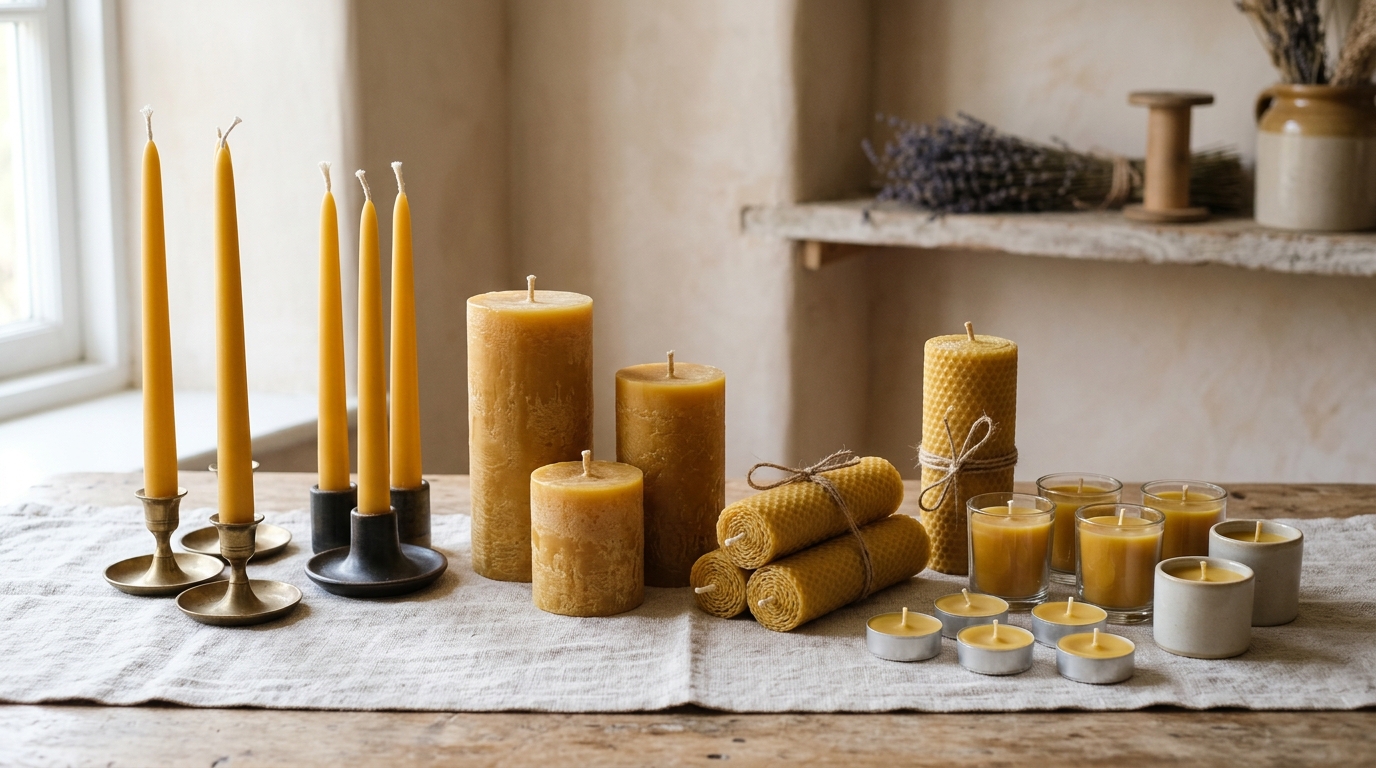
Beeswax candles come in an impressive variety of shapes and sizes to suit every occasion. Traditional pillar candles range from slim 2-inch diameter versions that burn for 8-12 hours, to substantial 4-inch pillars that can provide up to 80 hours of gentle illumination. Taper candles, typically 6-12 inches tall, bring elegant sophistication to dinner tables and formal settings, burning for 6-10 hours depending on their thickness. For intimate spaces, consider beeswax tea lights that offer 3-4 hours of warm light, or votive candles that provide 10-15 hours of consistent burning in decorative holders.
Beyond basic shapes, artisan beeswax candles showcase creative designs that double as decorative pieces. Honeycomb-textured pillars celebrate the candle’s natural origins, while hand-rolled beeswax sheets create rustic, organic appearances with visible texture variations. Sculptural options include flower shapes, geometric forms, and seasonal designs like pine cones or autumn leaves. Some craftspeople create layered candles with natural colour variations, from pale ivory to deep golden amber, reflecting the diverse floral sources that bees visit throughout the seasons.
Pay attention to the candle’s purity and origin when making your selection. 100% pure beeswax is the gold standard, ensuring you receive all the natural benefits without compromise. Some brands blend beeswax with soy or palm wax to cut costs, but these blends may not burn as cleanly or last as long. If you value sustainability, seek out candles made from UK-sourced beeswax, which supports local beekeepers and reduces transport emissions. Look for certifications or clear labelling that indicates the beeswax source and any additional ingredients used in production.
Finally, compare features such as wick type, scent options, and packaging quality. Cotton wicks are a safe, reliable choice that burn evenly and produce minimal smoke, while wood wicks can add a gentle crackle for extra ambience, though they may require more maintenance. Some beeswax candles are naturally scented with essential oils like lavender, eucalyptus, or citrus, offering therapeutic aromatherapy benefits without synthetic chemicals. When shopping online, look for detailed product descriptions, burn time estimates, and customer reviews to guide your choice. Quality packaging not only protects your candles during shipping but also indicates the manufacturer’s attention to detail and commitment to their product.
What to look for when buying
When purchasing beeswax candles, always verify the purity level by checking the label or product description. Look for candles that are 100% pure beeswax rather than blends mixed with paraffin or other waxes. Pure beeswax candles will typically have a natural golden to amber colour, though some may appear lighter depending on the filtering process. Be wary of candles that are stark white or have an unnaturally uniform appearance, as these may indicate processing with chemicals or mixing with other wax types. Authentic beeswax should have a subtle, natural honey scent – if a candle claiming to be pure beeswax has no aroma or smells artificial, it’s likely been adulterated with other materials.
Consider the wick material carefully, as this significantly impacts burn quality and safety. Cotton or wooden wicks are ideal choices for beeswax candles, while metal-core wicks should be avoided due to potential health concerns from lead exposure. The wick should be centred and properly sized for the candle’s diameter – too large and it will create excessive flame and smoke, too small and it won’t generate enough heat to create a proper melt pool. For pillar candles, look for wicks that are slightly thicker than those used in softer waxes, as beeswax has a higher melting point and requires more heat to burn effectively.
Pay attention to the candle’s construction and appearance as indicators of quality craftsmanship. Well-made beeswax candles should have smooth surfaces without air bubbles, cracks, or uneven textures. The base should be flat and stable, and rolled candles should have tight, even layers without gaps or loose edges. Additionally, reputable manufacturers will often provide information about their beeswax source, harvesting methods, and any certifications such as organic or sustainably sourced designations, which can help ensure you’re getting a genuine, high-quality product.
Price can be a reliable indicator of quality when shopping for beeswax candles. Genuine pure beeswax is significantly more expensive than paraffin or soy wax, so be suspicious of candles marketed as “100% beeswax” that are priced similarly to conventional candles. Quality beeswax candles typically cost 2-3 times more than paraffin alternatives, reflecting the labour-intensive harvesting process and limited supply of natural beeswax. how to care for your beeswax candlesever, remember that pure beeswax candles burn longer and cleaner, often providing better value despite the higher upfront cost.
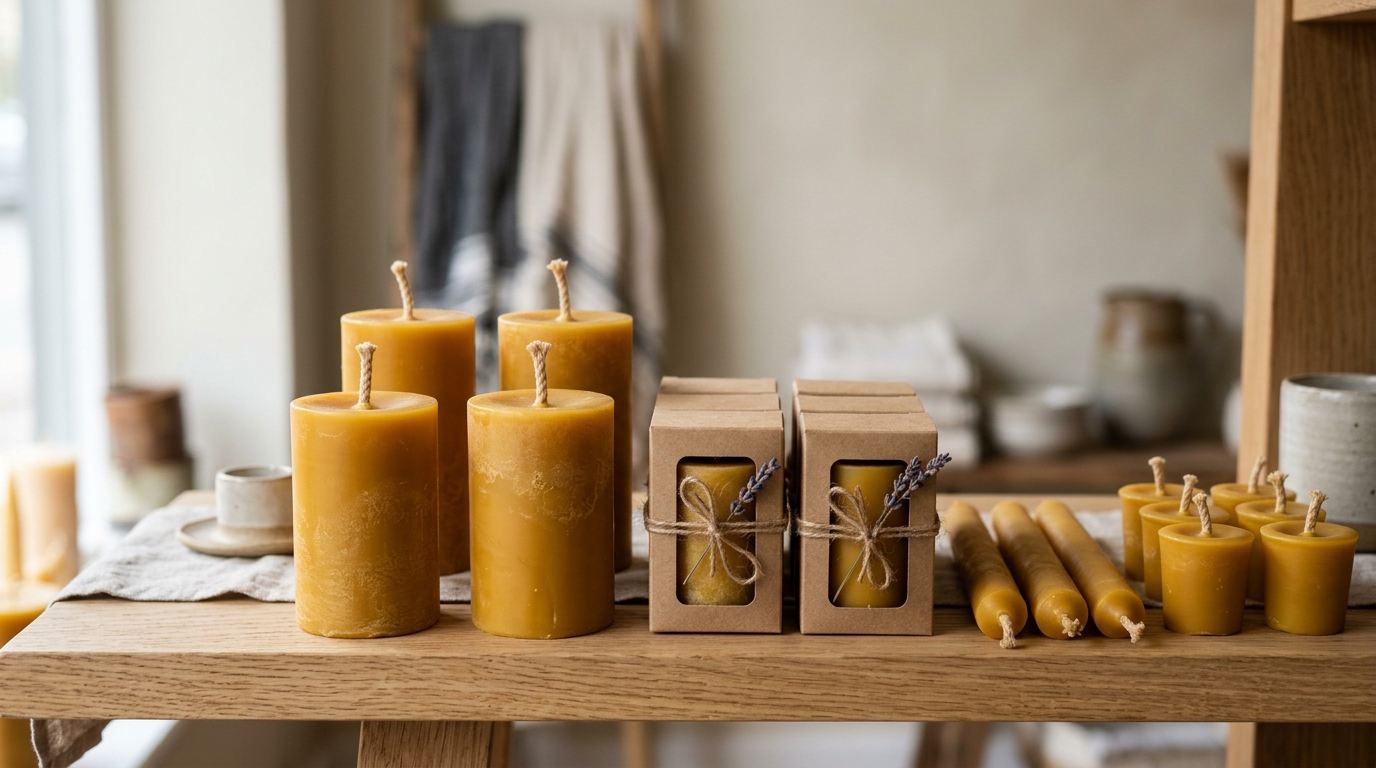
Consider the packaging and presentation as additional quality indicators. Professional beeswax candle makers typically provide detailed product information, including burn time estimates, care instructions, and information about their beekeeping practices. Look for sellers who can answer specific questions about their products, such as the geographic origin of their beeswax or their filtering methods. Avoid candles with vague labelling like “natural wax blend” or “beeswax blend” without specifying exact percentages, as these terms often indicate minimal beeswax content mixed with cheaper alternatives.
Finally, consider purchasing from local beekeepers or artisan candle makers when possible. These sources often offer the freshest, highest-quality beeswax candles and can provide detailed information about their production methods. Local producers are also more likely to use sustainable practices and can often customise orders for specific sizes or shapes. Many farmers’ markets, craft fairs, and specialty stores feature local beeswax candle makers who take pride in their products and are happy to share their expertise with customers.
Frequently Asked Questions
Are natural beeswax candles safe for people with allergies or asthma?
Yes, natural beeswax candles are often recommended for those with allergies or asthma. They burn cleanly, produce minimal smoke, and release negative ions that can help reduce airborne pollutants, making them a safer choice for sensitive individuals.
Why are beeswax candles more expensive than other types?
Beeswax candles are pricier due to the labour-intensive process of beekeeping and wax purification. Each candle requires significant resources, but their longer burn time and health benefits often offset the higher initial cost.
Do beeswax candles have a strong scent?
Pure beeswax candles emit a gentle, natural honey aroma. If you prefer a stronger fragrance, look for candles scented with essential oils, as these provide a more noticeable scent without synthetic chemicals.
How do I store beeswax candles to keep them fresh?
Store beeswax candles in a cool, dry place away from direct sunlight. This helps preserve their colour, scent, and structure, ensuring they remain beautiful and functional for months to come.
Can I use beeswax candles for meditation or yoga?
Absolutely. Beeswax candles are a popular choice for meditation and yoga due to their steady flame, clean burn, and calming scent. They help create a peaceful, focused atmosphere for mindfulness practices.
Natural beeswax candles offer a unique blend of beauty, sustainability, and wellness benefits for any home. By understanding what sets them apart and how to choose the right one, you can confidently enhance your living space and daily rituals. Whether you’re new to beeswax or looking to deepen your eco-friendly lifestyle, these candles are a gentle, rewarding addition to your self-care toolkit.